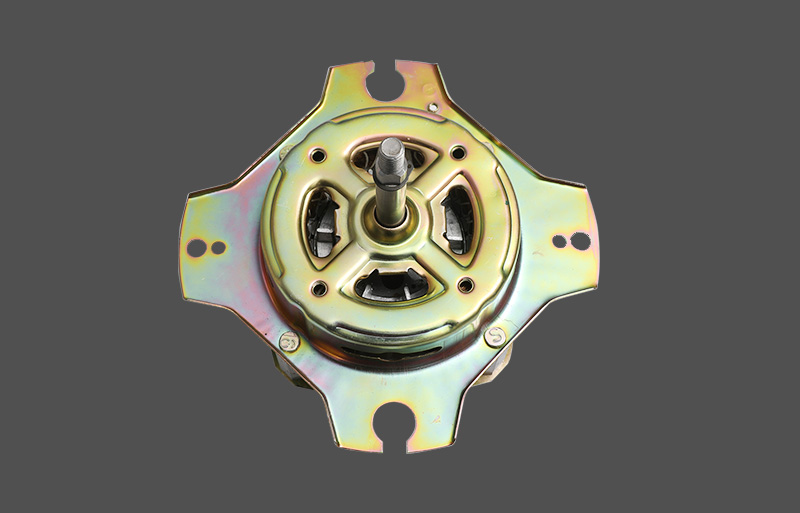
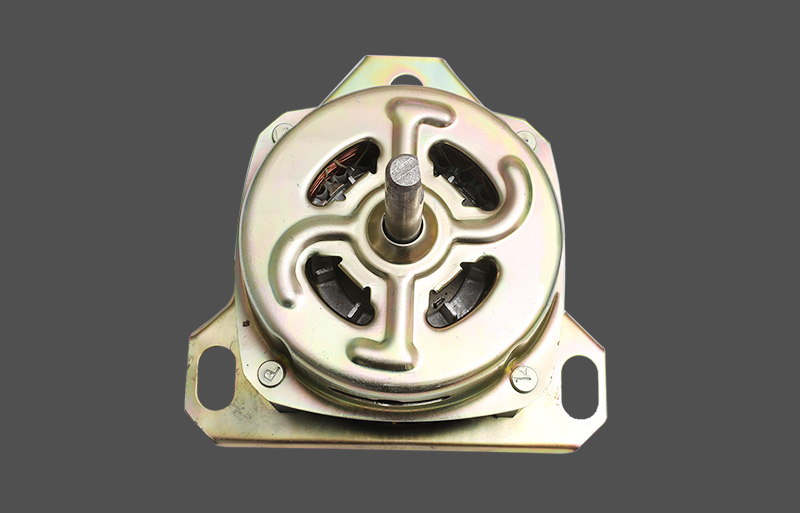
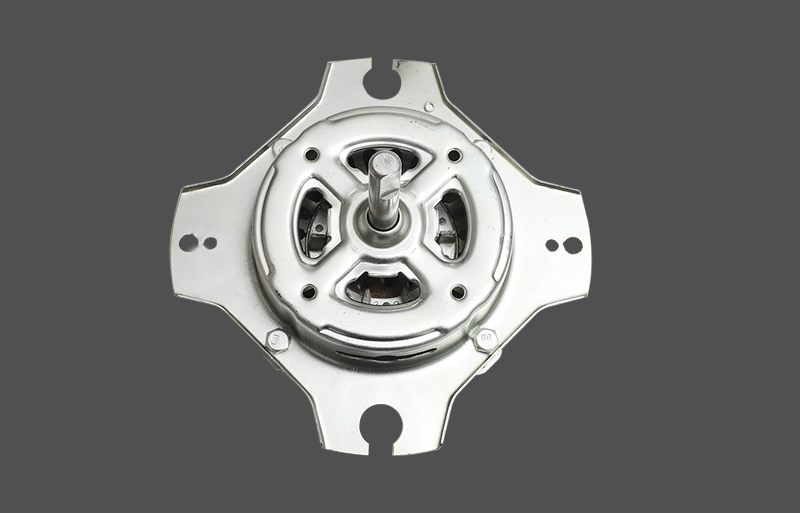
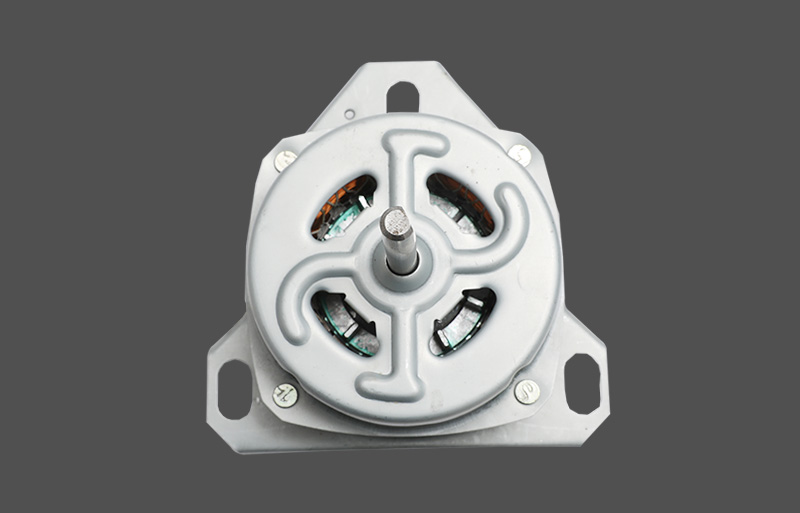
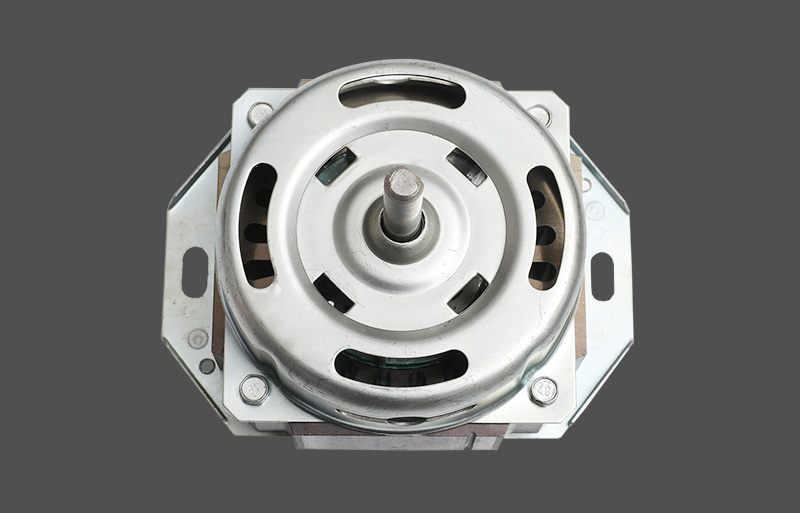
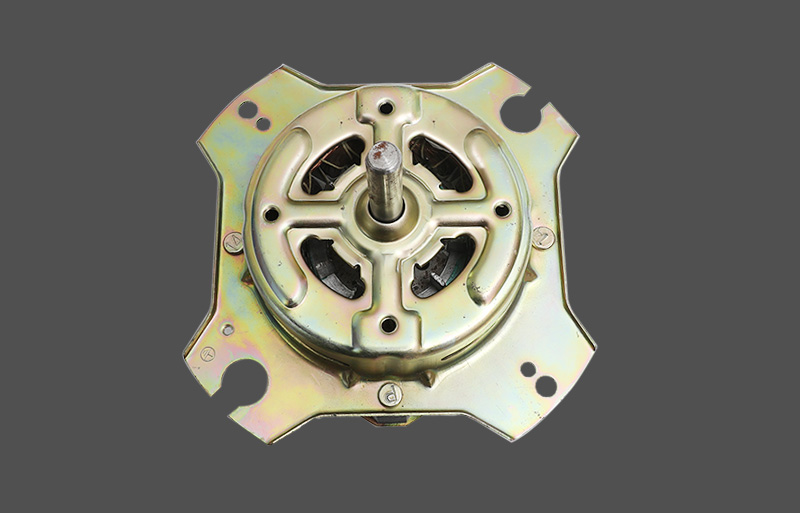
các động cơ quạt đứng là thành phần cốt lõi của cả quạt gia dụng và quạt thương mại. Trong quá trình vận hành, nó có thể bị quá nhiệt, ảnh hưởng đến tuổi thọ của động cơ và độ an toàn khi vận hành. Cơ chế bảo vệ nhiệt được thiết kế tốt là điều cần thiết để có hiệu suất và độ bền ổn định. Bài viết này cung cấp cái nhìn tổng quan chuyên nghiệp về nguyên tắc thiết kế, loại, cơ chế và ứng dụng bảo vệ nhiệt trong động cơ quạt đứng.
Tầm quan trọng của bảo vệ nhiệt
Cuộn dây động cơ có thể vượt quá giới hạn nhiệt độ an toàn trong quá trình vận hành kéo dài hoặc điều kiện tải cao, dẫn đến lão hóa cách điện, hư hỏng ổ trục và thậm chí cháy động cơ. Quá nóng cũng có thể gây ra nguy cơ hỏa hoạn hoặc rủi ro về an toàn điện. Cơ chế bảo vệ nhiệt theo dõi nhiệt độ động cơ trong thời gian thực và kích hoạt các biện pháp bảo vệ khi cần thiết, đảm bảo hoạt động đáng tin cậy. Ở quạt đứng, tính năng bảo vệ nhiệt không chỉ bảo vệ động cơ mà còn nâng cao chất lượng sản phẩm và trải nghiệm người dùng.
Các loại cơ chế bảo vệ nhiệt
cácrmal protection in standing fan motors is generally categorized into mechanical and electronic types. Mechanical protection often uses bimetallic strips or thermal switches, which disconnect the circuit based on thermal expansion properties. Electronic protection employs temperature sensors or thermistors (NTC/PTC) to measure temperature, with control circuits determining whether to cut power or reduce load. Electronic protection offers faster response and higher accuracy, enabling multi-level temperature control and fault alarm functions. Mechanical protection is cost-effective and simple, commonly applied in low-power household fans.
Nguyên lý kích hoạt bảo vệ nhiệt
cácrmal protection activation is based on temperature detection and threshold judgment. Mechanical switches use thermal expansion to open contacts and disconnect power. Electronic protection converts temperature readings into voltage or resistance signals, allowing control chips to determine whether the motor exceeds preset temperature thresholds. When excessive heat is detected, the system can immediately cut power, reduce speed, or implement intermittent operation. Designers must consider sensor placement, response time, and hysteresis to avoid false triggers and ensure reliable protection.
Thông số thiết kế chính
Các thông số chính trong thiết kế bảo vệ nhiệt bao gồm ngưỡng nhiệt độ, thời gian phản hồi, phương pháp đặt lại và vị trí lắp đặt. Giá trị ngưỡng được xác định dựa trên công suất định mức của động cơ, lớp cách điện và môi trường hoạt động, thường là khoảng 120oC đối với động cơ quạt gia dụng. Thời gian đáp ứng ảnh hưởng trực tiếp đến hiệu quả bảo vệ; phản ứng nhanh hơn ngăn ngừa hư hỏng động cơ. Các phương pháp đặt lại bao gồm đặt lại tự động và thủ công. Việc đặt lại tự động phù hợp với hoạt động liên tục, trong khi việc đặt lại thủ công giúp nâng cao tính an toàn trong các ứng dụng có rủi ro cao. Cảm biến nên được đặt gần khu vực quanh co hoặc điểm nóng để phản ánh chính xác nhiệt độ tới hạn.
Phối hợp với tản nhiệt
cácrmal protection works best when combined with effective heat dissipation. Proper airflow design, installation of heat sinks, and blade arrangement reduce localized motor temperatures, improving protection accuracy. Good heat dissipation delays temperature rise, reducing frequent protective trips and extending motor lifespan. Thermal simulation can evaluate temperature distribution, ensuring the protection device functions at key hotspots.
Cân nhắc về độ tin cậy và tuổi thọ
cácrmal protection devices in standing fan motors must exhibit high reliability and long operational life. Mechanical switches should withstand multiple thermal cycles without failure, while electronic sensors require high precision and resistance to electrical interference. Selecting high-quality materials, optimizing contact structures, and implementing moisture and dust protection enhance reliability. A robust thermal protection system prevents motor burnout and accidents during long-term use, ensuring product safety.